The Psychology Behind Reminiscence Therapy Explained
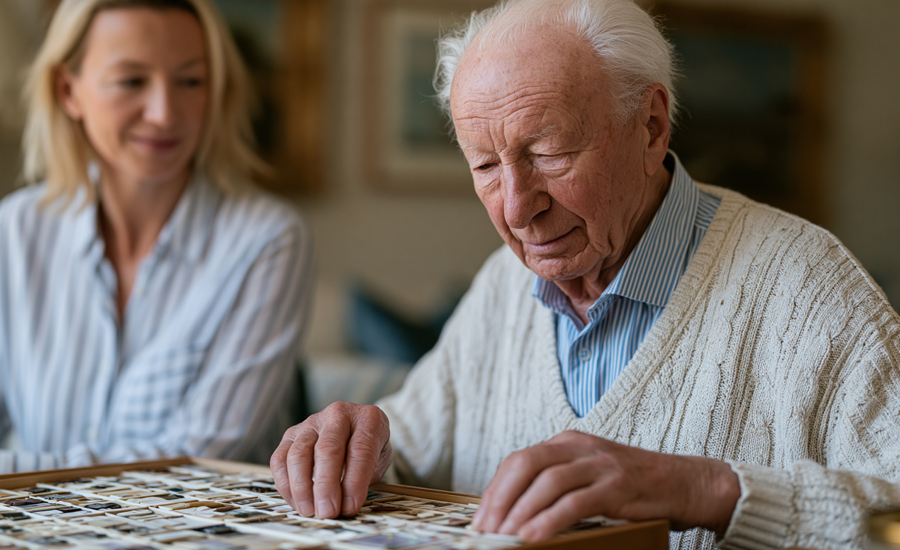
Did you know that older adults tend to recall more personal memories from between the ages of 10 and 30 than from many other periods of their lives? Psychologists call this the reminiscence bump – a well-established finding in memory research.
It explains why hearing a favourite song from your teenage years or looking through an old photo album can bring back experiences from decades ago, sometimes in surprising detail.
Reminiscence therapy draws on this connection between memory and emotion.
Care homes increasingly use it to support older adults, including residents living with dementia.
So what’s the psychology behind this therapeutic approach and why can revisiting the past have such a positive effect on well-being? In this article, you’ll learn how reminiscence therapy works and the benefits it could offer your loved one in a care home.
How Does Reminiscence Therapy Work?
Reminiscence therapy works by using familiar photographs, music, objects and conversations to stimulate memories from an older adult’s past. Recalling meaningful experiences can activate emotional associations, encourage communication and reinforce a person’s sense of identity. For older adults living with dementia, this approach helps because long-term memories can remain accessible even when recent memory is affected, offering comfort and a sense of familiarity as the condition progresses.
The Psychology Behind Reminiscence Therapy
Did you know that our memories play an important role in how we see ourselves?
That’s because they help us stay connected to our past, reminding us of the experiences that have made us who we are today.
For your loved one in a dementia care home, talking about their younger years gives meaning and familiarity during an otherwise confusing and distressing time. For example, a photograph from a special occasion, like their wedding day, might prompt a conversation about how they met their husband or wife, while a familiar song could remind them of evenings spent dancing with friends.
Reminiscence therapy encourages these conversations by using familiar experiences to stimulate memories and the emotions tied to them, which helps residents with memory loss share stories and reconnect with important parts of their lives.
But why can revisiting these memories have such a positive effect on emotional well-being?
The Connection Between Memory and Emotion
Our brains process memories and emotions through closely connected regions, including the hippocampus, which forms and retrieves memories, and the amygdala, which helps process emotional experiences.
This connection explains why certain memories can bring back strong feelings, even many years after they happened.
For instance, an older adult might struggle to remember what they had for breakfast but recognise a song they loved in their twenties. Hearing it could bring back memories of a particular person or occasion, giving them something familiar and enjoyable to talk about.
When a resident is living with dementia, accessing good memories is more valuable than you might think. Although dementia affects memory differently from person to person, familiar experiences help residents feel more comfortable and engaged with those around them, which provides better well-being and quality of life.
How Reminiscence Therapy Helps Residents Maintain Their Identity
When an older adult moves into a care home, staff naturally need to learn about their health and the support they require. But they also have a lifetime of experiences to share, including careers they were proud of and hobbies they’ve enjoyed since childhood, all of which respect the resident’s dignity and independence.
Reminiscence therapy gives dementia care home residents the chance to talk about these experiences and share their stories that might never come up in everyday conversation.
If a resident spent most of their working life as a teacher, looking through old school photographs might get them talking about their very first class and how much teaching has changed or pupils they still remember fondly. They may enjoy answering questions about a subject they once taught, especially if other conversations feel more difficult.
For residents with dementia, this is reassuring, because they might struggle to recall something that happened yesterday but still remember their years at work in considerable detail.
These conversations also help care staff understand what really matters to each resident. For example, if a resident regularly talks about the vegetables they grew in their allotment, staff could invite them to help plant or water in the care home garden.
Having opportunities to share their knowledge and continue familiar interests can help older adults in care homes feel more confident and maintain their sense of identity as their care needs change.
How Reminiscence Therapy Encourages Social Interaction
Reminiscence therapy can help residents build friendships and feel more involved in care home life. Group sessions are particularly useful for bringing people together, as residents often discover shared interests or swap stories about common experiences.
Some of the social benefits include:
- Reducing loneliness by giving residents regular opportunities to spend time with others and develop friendships.
- Building confidence in residents who have become reluctant to join conversations because of memory difficulties.
- Creating a sense of belonging by helping new residents get to know others and feel more settled in their surroundings.
- Encouraging communication among residents living with dementia, including those who find it difficult to express themselves verbally.
- Strengthening relationships with care staff as residents share personal stories that help staff get to know them better.
- Increasing participation in group activities by helping residents become more comfortable interacting with others.
- Encouraging mutual support as residents listen to one another’s experiences and offer understanding when discussing similar life events.
How Reminiscence Therapy Reduces Anxiety in Care Home Residents
Anxiety is difficult for residents living with dementia. When someone struggles to understand where they are or what’s happening around them, they can become frightened, restless or repeatedly ask to go home.
For some residents living with dementia, these feelings become more noticeable in the late afternoon or evening, a pattern known as sundowning. During these periods, residents can experience increased confusion, agitation or anxiety.
Care homes offering reminiscence therapy reduce distress for some residents by directing their attention towards memories they can recall more easily, providing reassurance when difficulties remembering recent events leave them feeling confused or frustrated.
For example, a resident who becomes agitated and repeatedly asks for their mother could be remembering a time when they depended on her for comfort. Instead of correcting them or explaining that their mother has died, a care worker can acknowledge their feelings and encourage them to talk about her. Talking about what she was like or remembering things they enjoyed doing together gives the resident a chance to express what they’re feeling without being further distressed by an upsetting correction.
Music tied to positive experiences can trigger emotional memories, even when other aspects of memory have deteriorated, which can reduce anxiety. Listening to a favourite recording or singing along gives residents something recognisable to concentrate on when they’re struggling to follow a conversation.
Unfortunately, reminiscence therapy doesn’t relieve anxiety for everyone.
Its effectiveness depends on the individual and the memories being discussed. Care staff should watch for signs of discomfort and avoid encouraging residents to revisit experiences that cause distress.
Reminiscence Therapy in Dementia Care Homes
For family members choosing a dementia care home, it helps to know there are specialist activities to support their loved one.
Reminiscence therapy gives residents many opportunities to revisit meaningful experiences and share parts of their lives that others know very little about. And for those living with dementia, recalling familiar memories can be especially reassuring when remembering recent events becomes difficult.
Whether it’s helping a resident feel more confident during conversations or easing feelings of anxiety, the benefits extend beyond the reminiscence sessions themselves.
These personal details help care staff better understand each resident, including the interests they still enjoy and the memories that comfort them. It’s a lovely way for families to stay involved in their loved one’s care and ensure the life they’ve lived remains an important part of their life in the care home.
Ready to explore...